
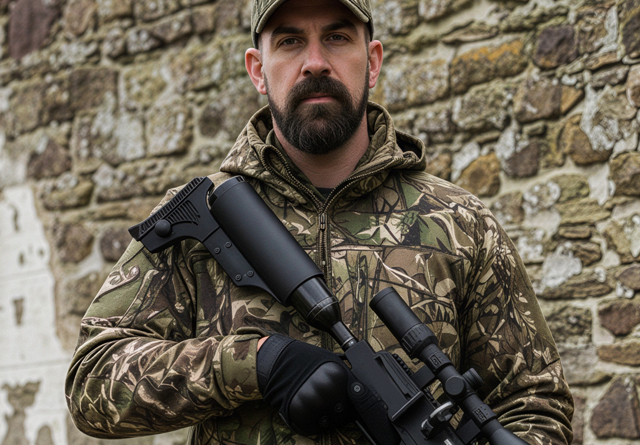
Airgun hunting and pest control is a core part of UK shooting culture. Done responsibly, it is a legal and effective way to manage common pest species while respecting wildlife, land, and safety standards.
This guide covers the key areas every Airgun user should understand: pest species, shot placement principles, fieldcraft, and UK legal responsibilities.
Pest Control in the UK
Airguns are commonly used for controlling small pest species where permitted and appropriate.
Common pest species:
- Rats (urban and rural infestations)
- Feral pigeons
- Grey squirrels (where legally controlled)
- Rabbits (on suitable permissions)
Each species requires different approaches, environments, and levels of caution. Effective pest control is about consistency, observation, and humane outcomes – not volume of shots.
Shot Placement and Ethical Shooting
Ethical shooting is the foundation of responsible airgun use.
Core principles:
- Always prioritise a clean, humane outcome
- Only take shots within your effective range and ability
- Ensure a safe backstop at all times
General shot placement considerations:
- Aim for vital areas to ensure a quick, humane result
- Avoid risky or low-probability shots
- Know your rifle’s accuracy limits before shooting in the field
Accuracy and patience matter more than power. A well-placed shot from a low-powered Air Rifle is far more effective than a poorly placed shot from a high-powered setup.
Fieldcraft – Stealth and Positioning
Fieldcraft is what separates casual shooting from effective pest control.
Key fieldcraft skills:
1. Movement control
- Move slowly and deliberately
- Avoid sudden motions that alert pests
2. Wind awareness
- Always consider wind direction when approaching an area
- Position yourself so your scent and noise are less likely to be detected
3. Camouflage and concealment
- Blend into natural surroundings or use hides when appropriate
- Avoid silhouetting against the skyline
4. Observation
- Spend time watching before shooting
- Identify patterns in pest movement and feeding times
Good fieldcraft often results in more opportunities than rushing into position.
Positioning and Safe Shooting Environment
Choosing the right position is critical for both effectiveness and safety.
What to look for:
- Clear line of sight to the target area
- A solid, safe backstop (earth banks, dense vegetation)
- Stable shooting position (seated, supported, or prone)
What to avoid:
- Urban areas without permission
- Unclear backgrounds or public footpaths
- Any situation where you are unsure of target identification
Safety must always override opportunity.
UK Legal Considerations
Airgun use in the UK is regulated, and shooters must understand their responsibilities.
Key legal points:
- It is illegal to fire an airgun on land without permission
- You must have a clear understanding of property boundaries
- Certain wildlife is protected and must not be targeted
- Airguns must not exceed legal power limits (12 ft-lb for rifles, 6 ft-lb for pistols without FAC)
Additional responsibilities:
- Safe storage of airguns at home
- Transporting guns discreetly and securely
- Ensuring compliance with local bylaws and land permissions
Ignorance of the law is not a defence, so always confirm permissions before shooting.
Final Thoughts
Successful pest control with airguns is built on three pillars:
- Accuracy – knowing your equipment and limits
- Ethics – ensuring humane, responsible shooting
- Awareness – understanding environment, law, and safety
When all three come together, Airgun pest control becomes both effective and responsible.
See our full range of Air Rifles see Just Air Guns UK.
About This Blog
Blog Title: Hunting and Pest Control with Airguns – UK Guide
Author: Mark Watts
Shop Address: Just Air Guns, Trimex House, Pier Road, Feltham, TW14 0TW
Website: www.justairguns.co.uk
Phone: 0330 999 5224